





How Europe ensures pesticides are safe
Published: 10 February 2026
Last reviewed date: 7 May 2026
Pesticides – or plant protection products – help control pests and keep plants healthy. The European Union strictly regulates their use to protect our health and the environment.
Share:


Pesticides are placed on the EU market in
TWO STEPS
Step 1
Approval of active substances
Active substances – such as chemicals or microorganisms – are the key ingredients in a pesticide that enable it to do its job.

Step 2
Authorisation of plant protection products containing the active substance
Pesticides contain one or more active substance(s) and other ingredients such as safeners, synergists and co-formulantsto optimise their effectiveness.
Step 1: Approval of active substances
1 / 4
Step 1: Approval of active substances
Application to approve a substance
A company sends an application to a rapporteur Member State (RMS) for a new active substance or to renew an existing one.
Applications must contain:
- high-quality studies
- peer-reviewed scientific literature
Draft assessment report

The rapporteur Member State evaluates the application and writes a draft assessment report.
Peer review

EFSA, together with all Member States, peer reviews the draft assessment report and prepares a scientific conclusion on the safety of the substance.
More than 100 scientists take part in the review.
Approval based on safety

On the basis of EFSA's conclusions, the European Commission and Member States decide whether the active substance meets European safety requirements.
If yes, they approve or renew it.
Who does what?

Member States
Industry

EFSA

European Commission
Step 2: Authorisation of plant protection products containing the active substance
1 / 3
Step 2: Authorisation of plant protection products containing the active substance
Application to market a pesticide
Once an active substance is approved, a company sends an application to the Member State(s) where they want to market a pesticide that contains it.
Specific conditions of use
In its application, a company must say how the pesticide should be used. These conditions of use are called Good Agricultural Practice and include:
- the targeted crop(s)
- when and how to apply the pesticide
- the dose
- the frequency of use
Assessment of the application
A rapporteur Member State from each regulatory zone (zonal rapporteur Member State - zRMS) assesses the application. Other Member States in the same zone review it.
Pesticide residue levels in food
Assessments also consider the expected level of residues of the pesticide in food. If it is higher than the maximum residue level (MRL) set in EU legislation, an application for a new MRL must be submitted for assessment to the EU.
Authorisation within zones
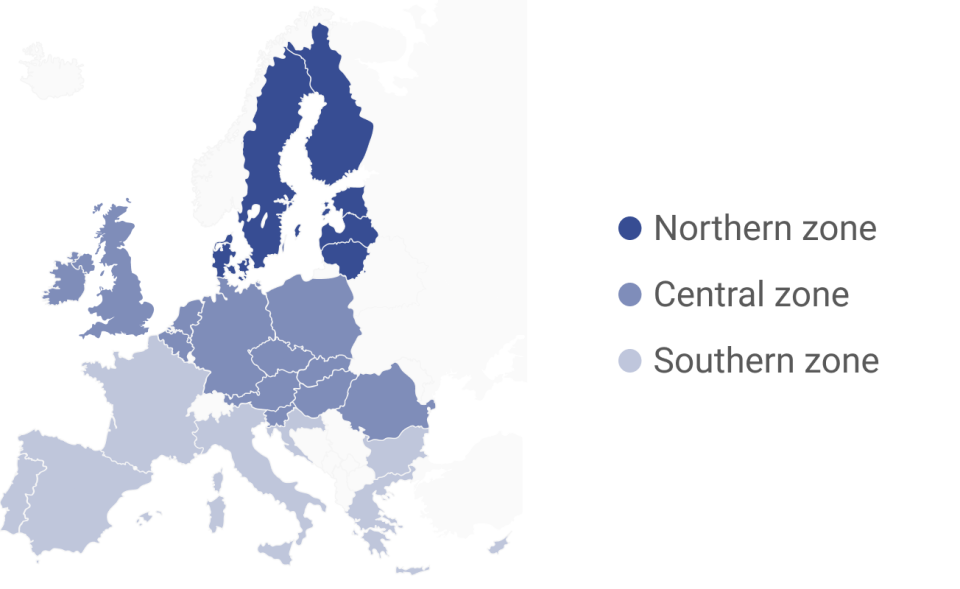
The pesticide must get an authorisation from each Member State where it is to be marketed.
Based on the risk assessment, the zRMS decides whether to authorise the product for use on its territory.
Other Member States from the same zone may authorise it without the need for a full safety reassessment by relying on the assessment of the zRMS.
Who does what?
Member States
Industry
EFSA
European Commission
What happens after a pesticide is authorised?
Marketing
Once a Member State has authorised a pesticide, the company can market it on their territory.
Use of pesticides
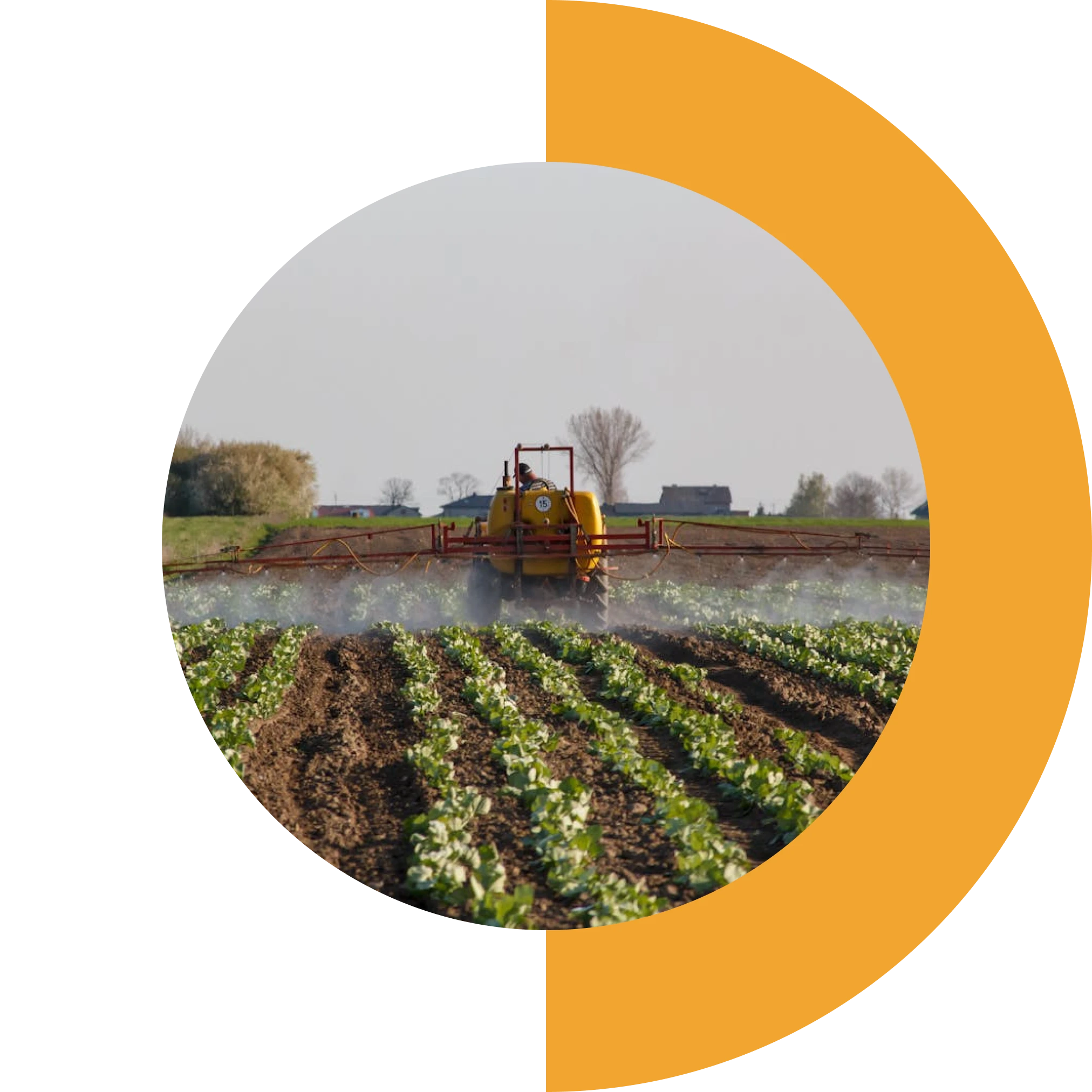
Pesticides are mainly used by farmers and other professional users. Users must follow the specific conditions of use on the label and keep records of use.
Pesticides should always be the last resort for controlling a pest.
Monitoring pesticide residues in food
Member States monitor levels of pesticide residues in all food, whether imported or produced in the EU.
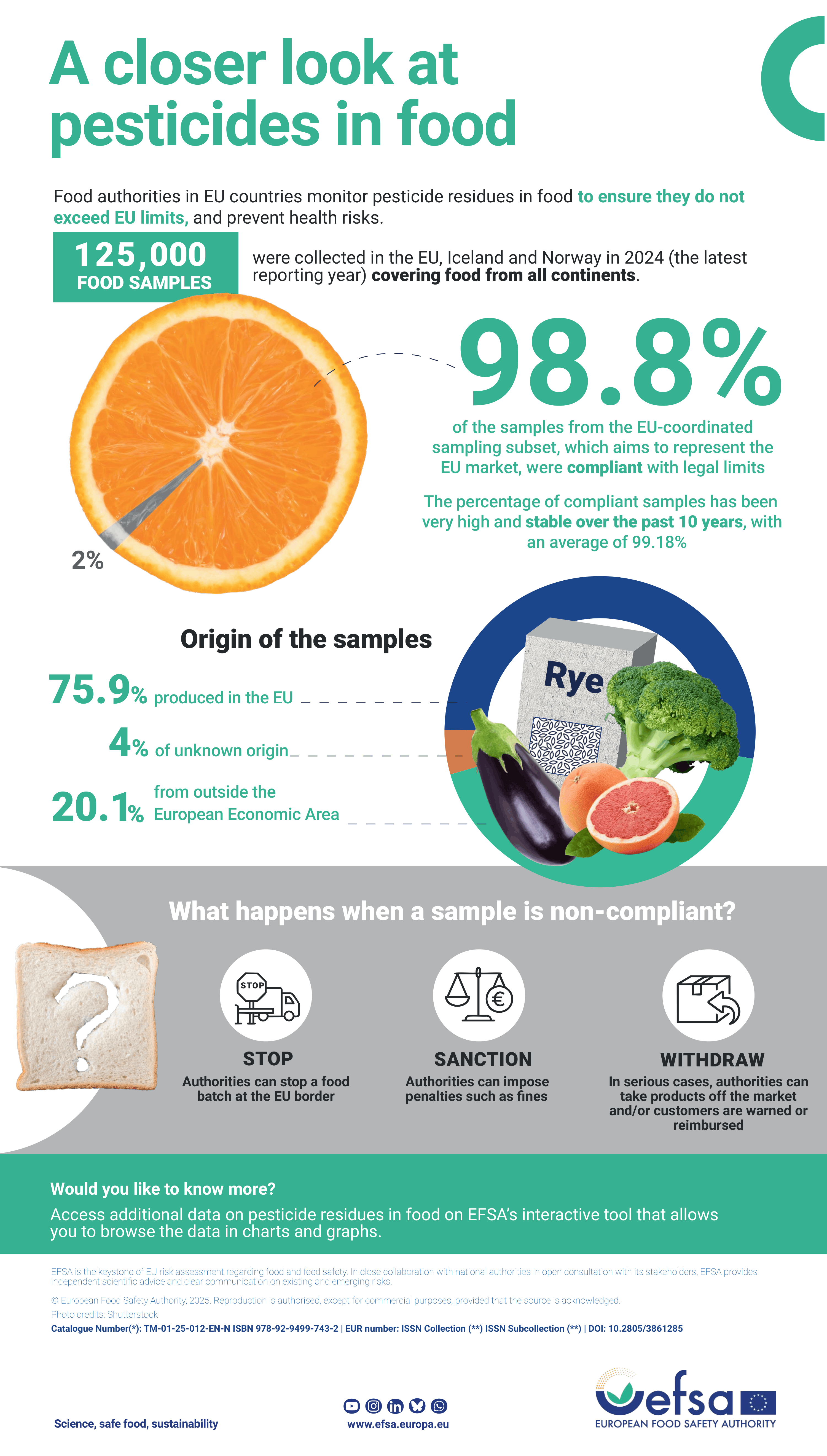
Each year, the EU analyses more than 100,000 food samples.
Three monitoring programmes
Coordinated monitoring programme
Member States target the same common foods.
National programmes
Member States target different foods with a higher risk of exceeding MRLs.
Increased import control programmes
Member States carry out targeted checks at EU borders on certain hazards, food products and countries.
If residues exceed the MRL, a Member State can impose a fine on a company and, if a health risk is identified, withdraw the food from the market and alert other Member States.

Annual reporting of pesticide residues in food
Every year, EFSA publishes a report on pesticide residues in food in the EU, Iceland and Norway, compiling the results of monitoring in those countries.
The report analyses trends and possible health risks and recommends ways to keep improving Europe’s controls.
Share:

Safener
Substance added to a pesticide to protect the crop from any harmful effects the pesticide may cause.
Synergist
Substance that helps a pesticide work better by interfering with a pest’s natural defences without killing the pest on its own.
Co-formulant
Substance added to a pesticide to improve its performance.
Rapporteur
The EU country that conducts the initial assessment of an active substance.
High-quality
Type of study carried out according to Good Laboratory Practice principles, designed to guarantee the reliability of data generated from laboratory tests.
Peer-reviewed
Scientific literature that has been scrutinised by experts from the same academic field (peers) to ensure it meets quality standards.
Regulatory zones


A group of countries with similar agricultural, environmental and plant health conditions. The EU is split into three zones - north, south and centre - to make assessments more efficient.

An MRL is the maximum level of residue of a pesticide allowed in a food or animal feed product.
MRLs are based on Good Agricultural Practice and ensure all consumers are protected, including the most vulnerable.
The same strict MRLs apply to food and feed produced in the EU and to imports.