

New tools to potentially reduce need for animal testing
EFSA recently launched its OpenFoodTox database of chemical hazards in food and feed. The database is a rich source of toxicological information for risk assessmentA specialised field of applied science that involves reviewing scientific data and studies in order to evaluate risks associated with certain hazards. It involves four steps: hazard identification, hazard characterisation, exposure assessment and risk characterisation that can potentially support the reduction of animal testing.
Scientists at the Mario Negri Institute for Pharmacological Research in Milan, Italy recently completed an EFSA-funded project aimed at developing alternative computer-based (“in silico”) modelling tools based on data in OpenFoodTox. A report published today explains how these tools can help risk assessors to prioritise toxicological testing strategies and to carry out risk assessments for emerging contaminants when data are absent.
- External scientific report on developing innovative in silico models with EFSA’s OpenFoodTox database
- OpenFoodTox on EFSA’s Scientific Data Warehouse
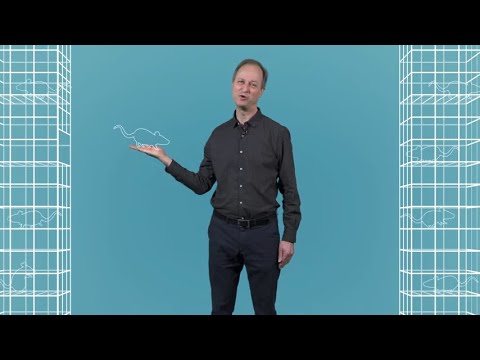
A new EFSA video released today looks at how new science and technological innovation are producing serious alternatives – like the OpenFoodTox database tool – that can help replace, reduce and refine animal testing as sources of data and evidence for scientific assessments. Not only can these tools help to reduce animal suffering but with time they could also produce better data that more closely reflect what happens in humans, animals and the environment.
Links to science
Contact us
EFSA Press
For members of the press:
E-mail: press [at] efsa.europa.eu (Press[at]efsa[dot]europa[dot]eu)
Tel. +39 0521 036 149
For more media resources, visit our Press corner
Ask a Question Service
For stakeholders and the public:
Have a question about EFSA’s work?
Contact our Ask a Question service!