

No bird flu: protect your farm!

Protecting our farms from infectious diseases starts with awareness and prevention. The EU-wide campaign #NoBirdFlu provides key information on measures to take to prevent the introduction and stop the spread of avian influenza. Whether you work on a farm, care for a backyard flock, or visit farms as part of your job, following a few key steps can make a big difference in protecting animal health.
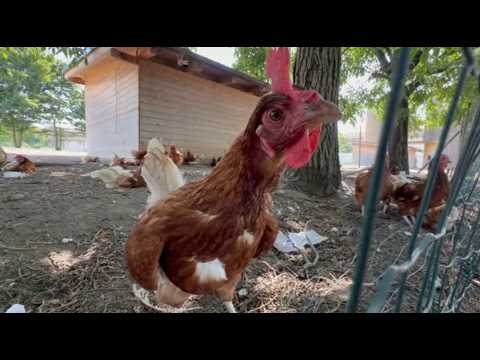
Keep bird flu out
Control access
- Only allow people, vehicles, tools, and crates onto the farm when necessary.
- Before entering the farm, always wear clean clothes, wash your hands, put on gloves and change or clean and disinfect your footwear. If possible, keep dedicated clothing only for farm work to prevent contamination.
- Apply disinfection measures, like footbaths at the entrance, to anyone and anything – people, vehicles, tools and crates – that come onto the farm, in case they have recently been in contact with poultry, poultry waste, or wild birds.
Full clean-out
- Regularly clean and disinfect all facilities, equipment and housing areas thoroughly, and remove all waste, especially after each production cycle.
- Strictly separate “clean” (in contact with animals) and “dirty” (in contact with external areas) sections of the farm.
- Keep feed free from contamination and provide fresh, clean drinking water to your flock.
No room for wild birds
- Use solid roofs, sealed walls, and tight fencing for housing to keep out wild birds and other animals that can carry diseases onto farms.
- Avoid moving feed between different flocks and make sure there’s no standing water around the farm.
- Make sure that any grass or other vegetation near the fences is kept neat and short to prevent wet areas and the foraging of wild birds.
- Protect outdoor areas with netting or wire enclosures and don’t forget to regularly check for possible holes or gaps. Scare devices or deterrents could also help to keep out wild birds and the diseases they may carry.
One species, one space
- Different types of poultry –like chickens, ducks, and turkeys – should be kept apart from each other to avoid disease spread across species.
- Other animals, including pets or livestock, should also be kept away from poultry.
Spot the signs
- If you notice anything unusual about your flock – a decrease in food or water intake, sudden deaths, unusual behaviour or other signs of disease, especially respiratory symptoms – don’t wait or guess, isolate any sick birds and immediately contact your veterinarian or local animal health authorities.
- The sooner you take action, the better the chance of stopping a serious bird flu outbreak.
- And don’t forget that bird flu can spread to people as well. To reduce the risk, avoid contact with potentially infected animals or handle them using protective equipment.
Resources to share
Be a biosecurity champion! This toolkit includes infographics, posters, stickers and ready to use social media posts, whether you’re a farmer, you care for a backyard flock, you’re a veterinarian or you visit farms for work. Feel free to use these materials to improve biosecurity and help prevent the spread of avian influenza and protect animal health.
Resources

Backgrounder

Infographic: Keep bird flu OUT

Infographic: Protect your birds today

Poster: Keep bird flu OUT!

Poster: ONE species, ONE space

Poster: SPOT the signs

Social media carousel: Protect your birds, protect your farm

Sticker: Keep bird flu OUT

Sticker: ONE species, ONE space
